How to Respond to Negative Reviews
Jessie George
April 29, 2026
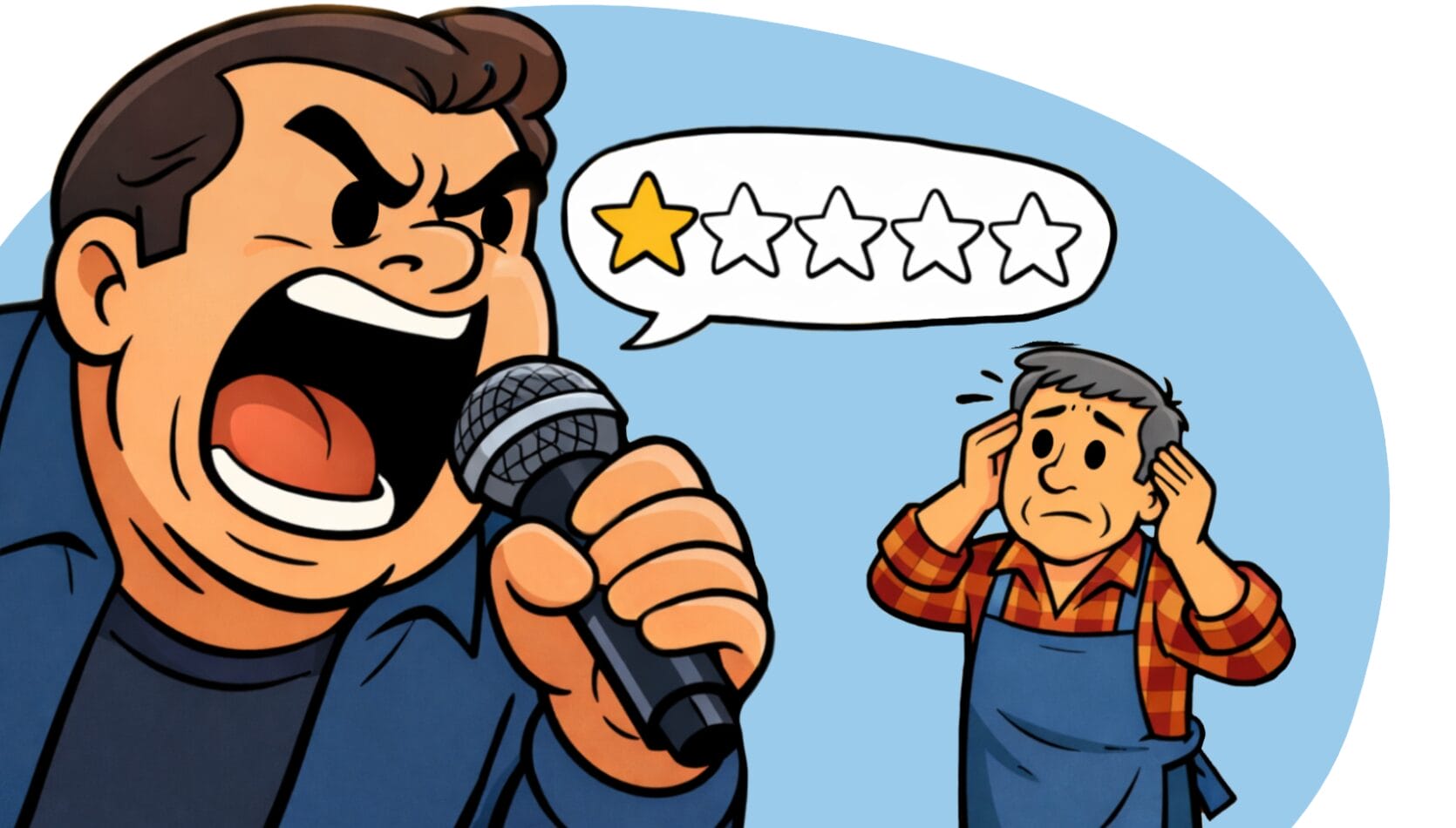
A bad review stings. You’ve put real work into your business, and seeing someone publicly criticize it can feel very personal. But how you respond matters far more than the review itself.
A negative review isn’t just damage to manage. It’s an opportunity to rewrite a customer’s experience with your company. Customers who have a complaint resolved well often become more loyal than those who never had a problem in the first place.
Better yet, your response tells the world: this business pays attention, and if something goes wrong, they’ll handle it.
Your Response Isn’t for Just One Customer
When you reply to a review, you’re not only talking to the person who left it. You’re talking to every future customer who reads it.
People research businesses before they buy. They read reviews and they notice whether you respond. A thoughtful, professional reply to a critical review can actually build more trust than a wall of five-star ratings with no engagement.
The Basic Framework for a Good Response
Every good response to a negative review covers the same four bases:
Acknowledge the experience. Don’t debate whether the customer is right. Start by recognizing that they had a frustrating experience. That’s real to them, and dismissing it will only make things worse.
Apologize sincerely. A genuine apology goes a long way. Keep it specific to the situation rather than a passive “we’re sorry you feel that way” (It tends to land as dismissive.).
Keep it brief. This isn’t the place to tell your side of the story at length. A response in the range of 100 to 150 words is plenty. The goal is to demonstrate professionalism and openness, not to win an argument.
Take it offline. Invite the customer to contact you directly to resolve the issue. Include a name, phone number, or email address so they have a clear path forward. This shows you’re serious about making it right and moves the detailed conversation out of the public eye.
What to Keep in Mind
Just as important as what you include is what you leave out.
Stay calm and constructive. Even if a review feels unfair or inaccurate, a public rebuttal rarely ends well. Other readers will see the conflict and draw their own conclusions. A measured, professional response will always serve you better.
Be specific. Phrases like “we strive to do better” without any real acknowledgment feel hollow. Be direct about what you’re sorry for and what you’re willing to do about it.
Own the problem. It doesn’t matter if the issue was a vendor, a staff member, or a miscommunication. The customer doesn’t need an explanation of who’s at fault. Acknowledging the experience and offering a path forward is what counts.
Aim to respond within 24 to 48 hours. On social media, that window is even shorter. Users on those platforms expect faster engagement. The longer a negative review sits unanswered, the more it shapes the conversation around your business. Set up notifications for your Google Business Profile and any social platforms you’re active on so nothing slips through the cracks.
Know when to step back. Most reviewers just want to feel heard. But occasionally you’ll encounter someone who isn’t really looking for a resolution. If a customer becomes abusive, makes demands that aren’t reasonable, or continues to escalate despite your best efforts, it’s okay to disengage. Respond publicly and professionally once, then leave it there.
The Bigger Picture
No business gets through the long haul without a negative review or two. What separates businesses that recover and businesses that don’t often comes down to one thing: whether they showed up and responded like a company worth trusting.
That’s completely within your control. And if managing your online reputation is starting to feel like a part-time job on top of everything else you’re already doing, that’s a good sign it might be time to bring in some help. We’re happy to talk through what that could look like.
We help businesses develop clear communication guidelines so that when a tough review lands, no one is scrambling to figure out what to say. From defining your brand voice to mapping out response frameworks for different scenarios, we can help you build a system that takes the guesswork out of reputation management. The goal is to make sure every response represents you at your best.