5 Smart Moves for Ads That Actually Convert
Jessie George
August 12, 2026
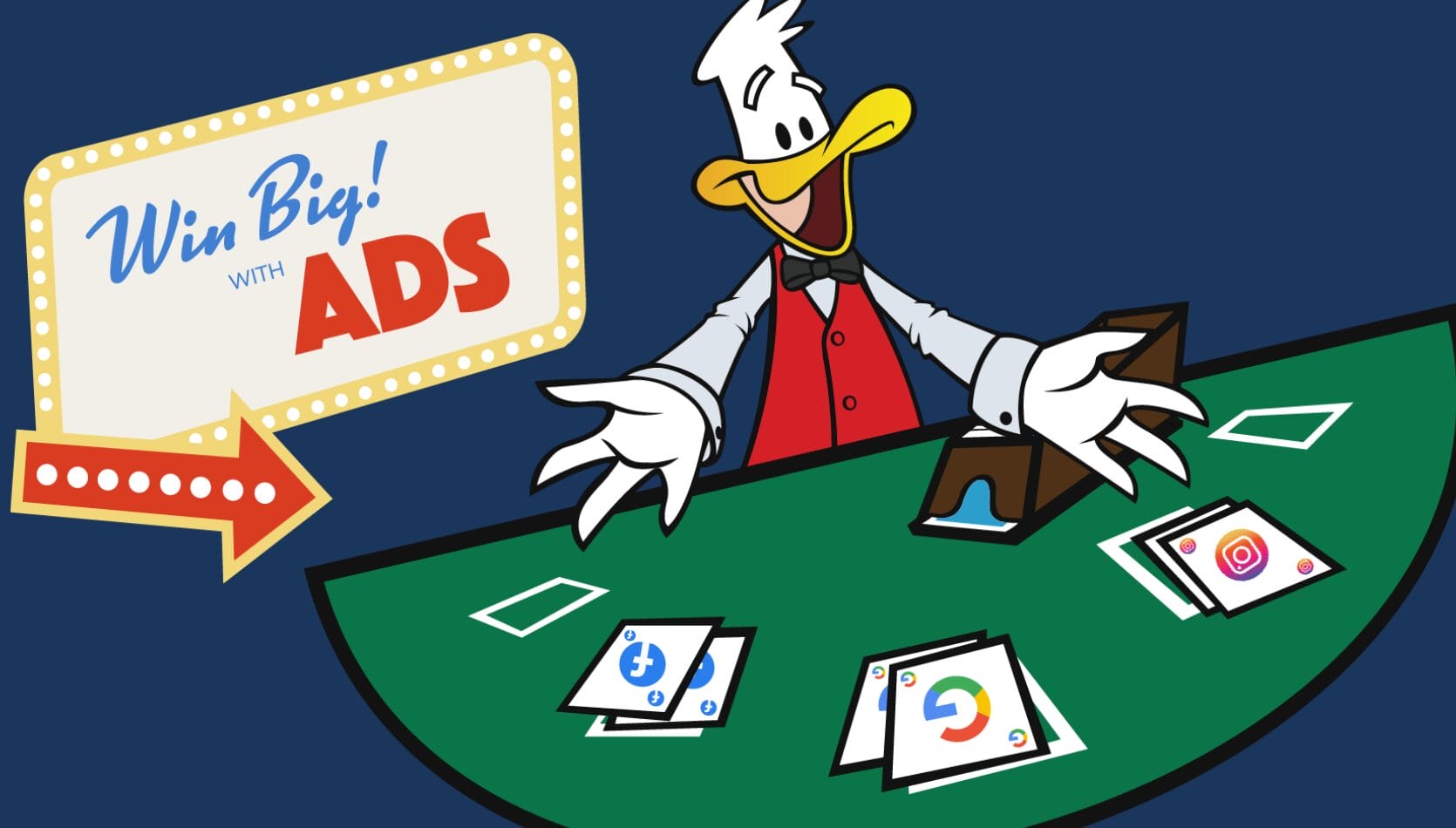
Every ad is a bit of a gamble. You’re putting money on the table hoping for a big payout. More customers, more sales, or just more attention. Luckily, you don’t have to leave it all up to chance. A few smart moves before you go all in can seriously stack the odds in your favor.
- A specific, well-defined audience converts far better than a broad one. Picking the right audience comes down to more than luck.
- Confused customers don’t buy. Message mismatch confuses customers. If the promise in your ad doesn’t match what customers find when they click, they’ll bounce before they buy.
- One clear offer always wins. Cramming multiple deals into a single ad splits attention and cancels out your results. A single, specific offer is easier to act on and converts at a higher rate.
1. Target the right audience.
It’s tempting to think your audience is everyone! We all eat at restaurants, buy cars, or need a new outfit sometimes. Except advertising to everyone is like betting on every number on the roulette wheel. You’re guaranteed a win, but the payout barely covers the bet.
Start by picturing one person who would absolutely love your business. Not “might be interested,” but true, can’t-live-without-it obsession. How old are they? What do they do for fun? What magazines do they read? Data helps, and it doesn’t need to be fancy. If you’ve been in business a while, you’ve probably already met this person more than once. If you’re coming up blank, pay attention to who’s actually buying from you and ask a few questions. First-hand research beats any article you’ll find online. Once you know who your audience is, everything else gets easier to tailor.
2. Tell a consistent story.
Your ad and your landing page need to be sitting at the same card table. If your ad says “save big on our summer landscaping sale” but the landing page says “top duck-friendly pond cleaners,” your customer is going to fold before they even get to the table. A confused customer doesn’t buy.
Let’s back up. What even is a landing page? It’s simply a page built to match your ad and building one is easier than ever. They’re great for geo-specific SEO (think: landscaping in Wayzata, MN) and essential for ads that need somewhere specific to send clicks. Say exactly what you want about the sale and send your clicks directly there. Keep it around if you’re running the same sale again or archive it for next season once you’re done.
3. Be specific about what you want customers to do.
This mistake is an easy one to make. Cramming several offers into one ad feels like hedging your bets. Surely something will catch someone’s eye, right? But spreading your chips too thin backfires. If your ad tries to sell a 50% off sale, new arrivals, and a newsletter sign-up all at once, none of those messages win. They split the vote and cancel each other out.
Meanwhile, your competitor’s single, clear offer of “this shirt is on sale today for $10” pulls a crowd because it’s simple and easy to act on. It’s a cliché because it’s true: less is more.
4. Don’t give up too soon.
Digital ads are built for iteration, which is exactly why the internet is full of them. Keep a close eye on what’s working and make small, frequent tweaks. Change one variable at a time, and run A/B tests when you can so you’re comparing apples to apples. Maybe you test a product shot against a lifestyle photo. Once you know which photo wins, hold that steady and test a new headline next.
The key is patience. Ad performance doesn’t turn around overnight, so plan for at least three months and a moderate budget (we recommend around $600/month). That gives you room to actually see what’s working before you fold.
5. Make a strong offer.
This one’s simple. To get people excited, you need to actually offer something exciting. It takes money to make money, and a tiny discount isn’t going to beat what people already get from their every day cash back card.
True story: I once waited months for a big-name store’s Black Friday sale on a skirt I loved, planning to finally splurge once it was discounted. Their big sale? Five percent off. On my $90 skirt, that was a whopping $4.50 in savings. I walked out, and I’ve never gone back. That store lost a customer for life over an offer that wasn’t worth showing up for.
You don’t need to give away your inventory to get clicks. But be honest about what you’re really offering. Would you go out of your way for it? No amount of ad spend or fine-tuning can save an offer that isn’t worth the bet.