Work Smarter, Not Harder
Jessie George
October 2, 2025
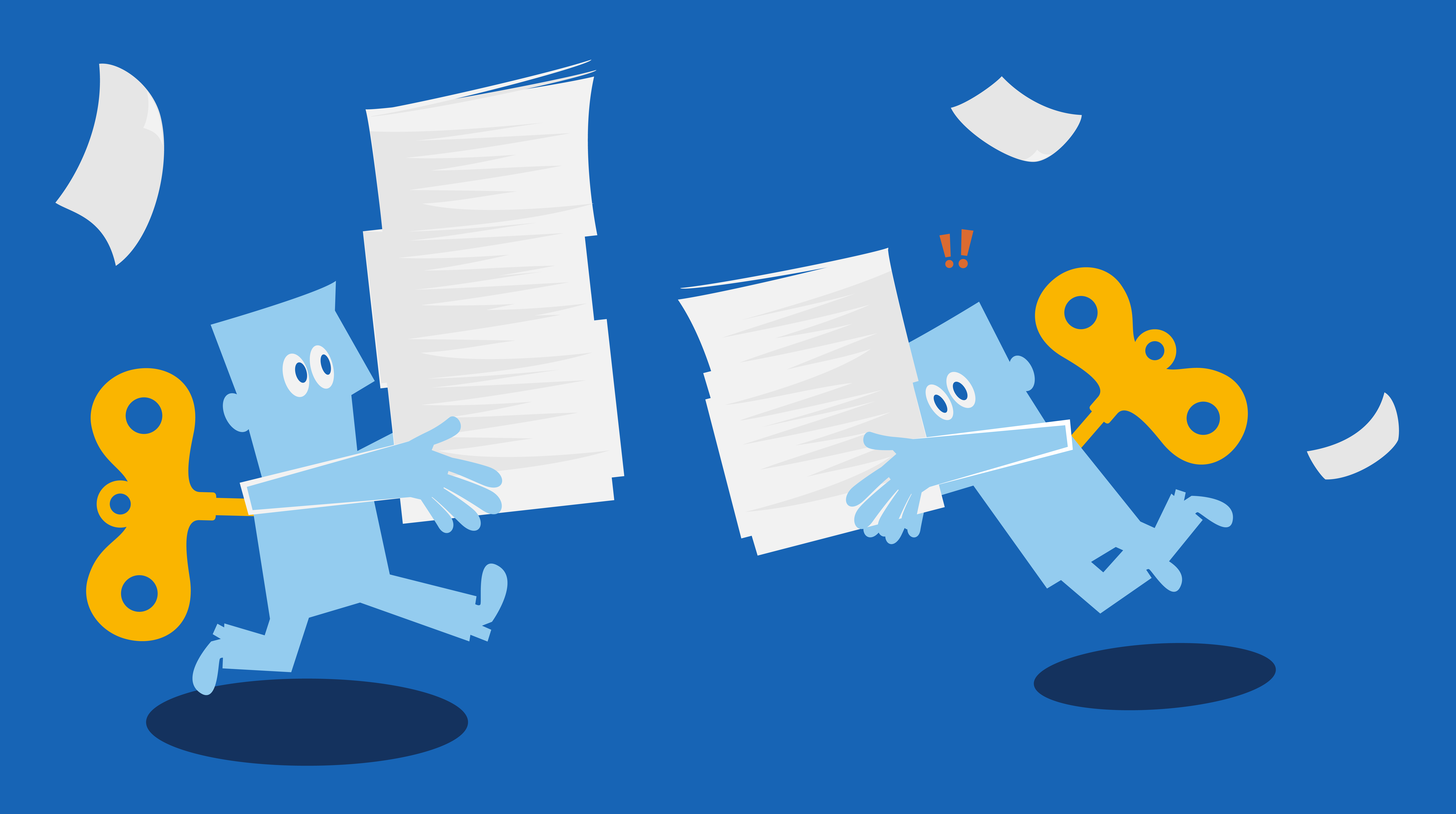
Picture this: You’ve just launched what you think is the perfect marketing campaign. The graphics are eye-catching. The copy is engaging. You’ve spent months perfecting every detail. Then…
Crickets. Your phone isn’t ringing. Your inbox is empty. Your carefully crafted campaign just burned through your marketing budget with nothing to show for it.
Sound familiar? You’re not alone. The difference between campaigns that flop and campaigns that fly comes down to one thing most businesses skip entirely: strategy.
The Three Questions That Change Everything
Rushing into marketing without a strategy is like trying to hit a bullseye while blindfolded. You might get lucky, but most likely you’ll just end up wasting a lot of arrows (a.k.a. resources).
Before you design a single ad or write one piece of copy, you need to nail down three fundamental questions. Miss any of these, and you’re taking a shot in the dark.
Question 1: Who Exactly Are You Talking To?
Your target audience cannot be “everyone.” Even “anyone aged 25-65” is far too broad. The more focused you can make your audience, the better your results are going to be.
Now, that’s not to say you can’t have multiple target audiences. Many businesses offer a diverse range of services, all of which may have very different customers. But when it comes to creating a marketing strategy, it’s better to have multiple campaigns, each with a distinct audience, than try to shove everyone under the same umbrella.
What separates successful campaigns from expensive failures is knowing not just who your customers are, but understanding what keeps them up at night. What problem is so annoying they’ll actually pay money to solve it? What triggers them to finally say “enough is enough” and start looking for a solution?
When you nail this level of understanding, something magical happens. Your marketing stops feeling like advertising and starts feeling like mind-reading.
Question 2: What’s Your Secret Weapon?
Even if someone perfectly matches your ideal customer profile, they still won’t buy from you simply because you exist. You need to give them a reason. A really good, can’t-ignore-it reason.
This is where most businesses fall flat. They talk about features instead of outcomes, listing what they do instead of why it matters. Even worse, some end up sounding exactly like their competitors (YIKES!).
People have a lot of choices to make during the day and even more people demanding their attention. A reasonable person should be able to connect the dots between what you offer and how it will benefit their life. But trying adding three screaming kids, a busy work schedule, two dogs and a partridge in a pear tree.
There’s simply too much noise for most people to quickly understand how you can help them. This is why you need to be crystal clear in your messaging and focus on benefits, not features. If you’re not spelling it out, someone else will and that company will win the sale.
At Fuzzy Duck, we’ve cracked the code on this. We dig deep to uncover what your audience actually needs to hear to choose you over everyone else. Not what you want to say, but what they need to hear. There’s a difference, and it’s worth thousands in additional revenue.
Question 3: Where Will Your Audience Actually Pay Attention?
Here’s where things get tricky. Even with the perfect audience and perfect message, you can still fail spectacularly if you’re shouting into the void.
Let’s use billboards as an example. They’re fantastic for getting eyes on your brand. But if you pack them with text, you’ve just created the world’s most expensive wallpaper. Nobody can read a paragraph while driving 65 mph.
Or consider the social media trap. Everyone thinks they need to be online because “that’s where people are.” But here’s a reality check: people go to social media to escape their problems, not solve them. They want cat videos, not to think about hiring a landscaping service. It takes exceptional creativity to interrupt someone’s mindless scrolling with something that actually converts.
The Good News: Strategy Doesn’t Have to Be Complicated
Before you start feeling overwhelmed, take a breath. Developing a winning strategy doesn’t require a PhD in marketing or a six-figure consulting budget.
You can start with just one hour of honest thinking. Grab a coffee, find a quiet spot, and work through these questions:
- What specific problem do I solve better than anyone else?
- Who loses sleep over this problem?
- Where do those people go when they’re ready to find a solution?
- What would convince them to choose me over my competition?
Even this simple exercise will put you ahead of 80% of your competitors who are just throwing marketing spaghetti at the wall to see what sticks.
Pssst: Enjoyed this article? Download our handy one-page guide!
When You’re Ready to Get Serious
Want to take your strategy to the next level? There’s a whole world of tools waiting: customer journey mapping, detailed buyer personas, competitive intelligence, and market research that reveals hidden opportunities.
But here’s my caution: strategy isn’t just about having the best tools. It’s about knowing how to use them to create campaigns that actually drive results.
That’s where Fuzzy Duck comes in. We live and breathe strategic marketing. While you’re focused on running your business, we’re obsessing over the details that turn marketing expenses into profitable investments. We’ve seen too many businesses burn through their budgets on beautiful campaigns that don’t work. Don’t let that be your story.