Why “Good Taste” Isn’t Enough in Visual Design
Jessie George
February 11, 2026
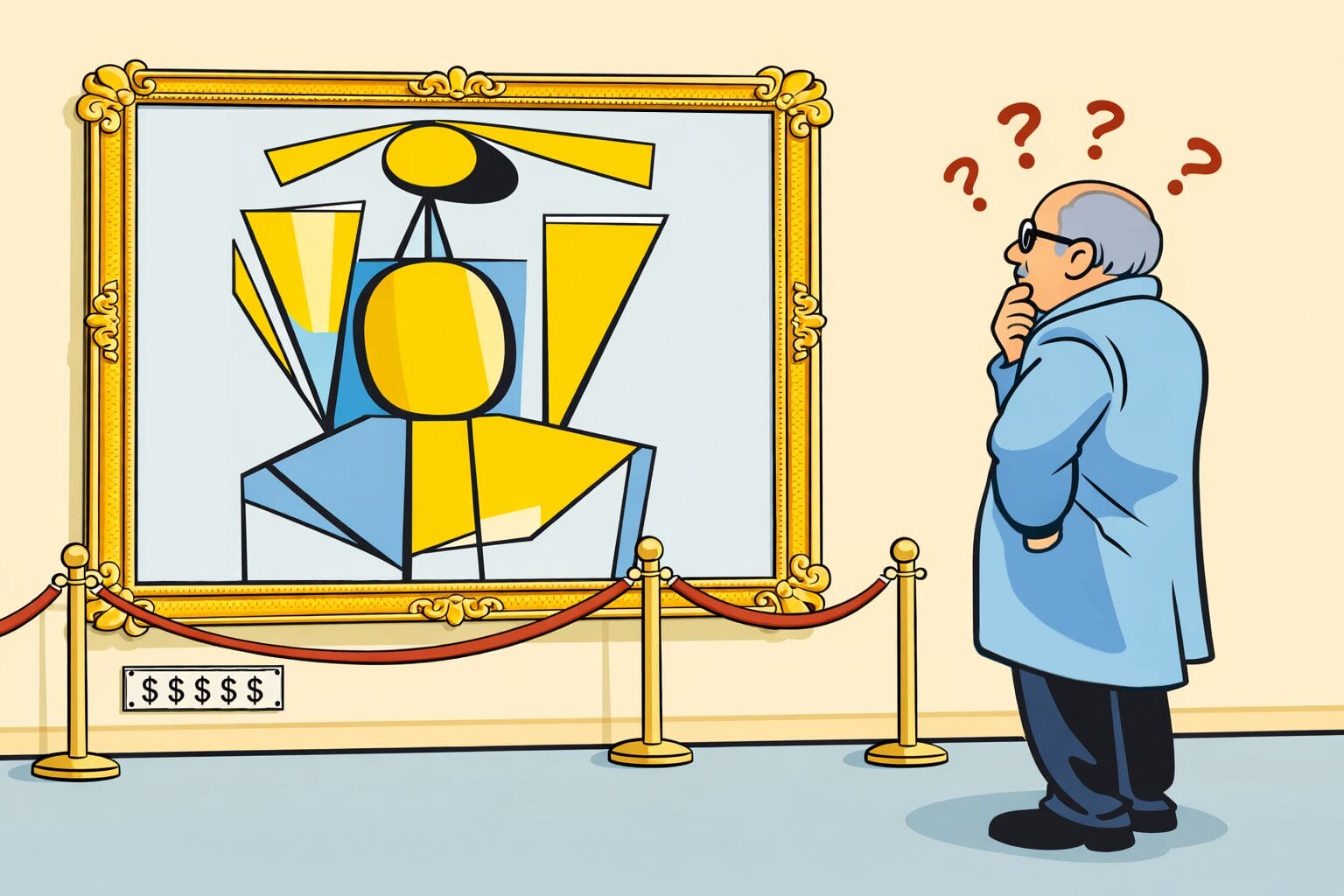
What’s the difference between design that looks good and design that works well?
Think about the last hotel room you stayed in. How many mirrors were in it? Chances are there weren’t more than one or two. While this might seem like a small thing, it’s proof of a broader issue. The design looks impressive, but it doesn’t account for how people actually use the space.
Just like a beautiful hotel room that forces guests to wait their turn for the bathroom mirror, design that prioritizes aesthetics over function creates friction. When design makes people work harder than they expect to, you’ve lost them before they even start.
When Design Gets in the Way
That friction shows up everywhere in visual design, especially in how people consume information. 79% of people scan before they read. As much as we might wish it to be otherwise, your audience isn’t carefully reading every word you publish.
Instead, they’re looking for visual cues that tell them where to focus. Visual hierarchy determines what gets noticed and what gets ignored. When readability is poor, people won’t seek clarity. They’ll walk away.
Truth #1: Design Is a System, Not an Aesthetic
Think about a well-designed hotel room. You don’t need a manual to know where the light switches are, where to hang your coat, or how to adjust the thermostat. The layout itself communicates through thoughtful placement and visual cues.
In a 1997 study by the Nielsen Norman Group testing web usability, researchers rewrote and restructured the same content for clarity and scannability. They reported a 124% increase in usability when the text was concise, scannable, and objectively written. In other words, good design uses hierarchy to tell people what matters most, spacing to create confidence and breathing room, and contrast to create clarity between elements.
Because if everything looks important, nothing feels important.
The fix: Design for decision-making, not decoration. Every visual choice should serve a purpose, either guiding attention, establishing priority, or reducing friction.
Truth #2: Good Taste Often Creates Over-Subtle Design
There’s a trend in sophisticated design toward minimalism: low contrast text, thin typography, generous white space. It looks refined in a portfolio or on a high-resolution screen in perfect lighting.
But in the real world? On a phone in bright sunlight? When someone’s distracted and scrolling quickly? It fails.
It’s like hotel room lighting that creates perfect ambiance but makes it impossible to see if your shirt is navy or black. Beautiful? Yes. Functional? Not quite.
Just because something looks refined doesn’t mean it’s readable. 1.3 billion people (about 16% of the world’s population) have difficulty seeing low contrast text. You can’t afford to alienate potential customers because of design choices.
The fix: Clarity should survive every screen, every lighting condition, and every level of attention. The Web Content Accessibility Guidelines (WCAG) are the leading resource for accessibility standards and there are hundreds of free tools online to test your site’s score.
Truth #3: Consistency Builds Trust Faster Than Creativity
46.1% of people cite “design look” as the most important factor in a website’s credibility. That means it’s important to get your visual system right and to keep it right.
Cohesive visual systems signal professionalism. Familiarity breeds comfort and reduces friction. When someone sees your brand repeatedly, they start to trust that you know what you’re doing.
Consider a hotel chain you frequent. You know what to expect when you walk in, like where the front desk will be, how the room key works, what they serve for breakfast. That consistency is reassuring. It might even be a leading reason you choose that hotel over another. You can function on autopilot because you know they’re reliable.
Constantly changing your visual identity might feel fresh and creative, but it reads as unstable. People trust what feels established, not what keeps changing.
The fix: If you have brand guidelines, stick to them consistently. If you don’t, consider investing in some. When you have a system of colors, fonts, spacing, and layout principles, your brand can flex across different applications while maintaining a recognizable identity.
Design That Works Doesn’t Need to Announce Itself
The best designs don’t just impress. They make the next step obvious. They remove questions instead of creating them. Design should support your message, not compete with it.
If you feel inspired to take another look at your marketing materials, website or brand identity, here’s where to start:
Evaluate design based on usability, not preference. Ask yourself: Does this make the desired action clearer? Does it reduce the number of decisions someone has to make? Does it work in less-than-ideal conditions? If you’re hesitating on any of these, function needs to come first.
Test for clarity, not compliments. Show your design to someone unfamiliar with your business. Can they tell you what’s most important on the page? Where they should click next? If not, the hierarchy needs work.
Prioritize systems over styles. Ask yourself: Would someone recognize this as your brand if you removed the logo? Does every piece feel like it belongs to the same family? Can you apply these design principles consistently across different formats? That’s what builds lasting trust.
Looking good and working well aren’t mutually exclusive, and they shouldn’t be. Good taste can get customers in the door, but it’s strategic thinking that keeps people there. At Fuzzy Duck, we’ve seen this play out time and again. That’s why we help brands translate visual appeal into visual clarity that actually supports business goals.
Ready to evaluate your brand’s visual system? Let’s talk.