Is your Website Having an Identity Crisis?
Jessie George
July 23, 2025
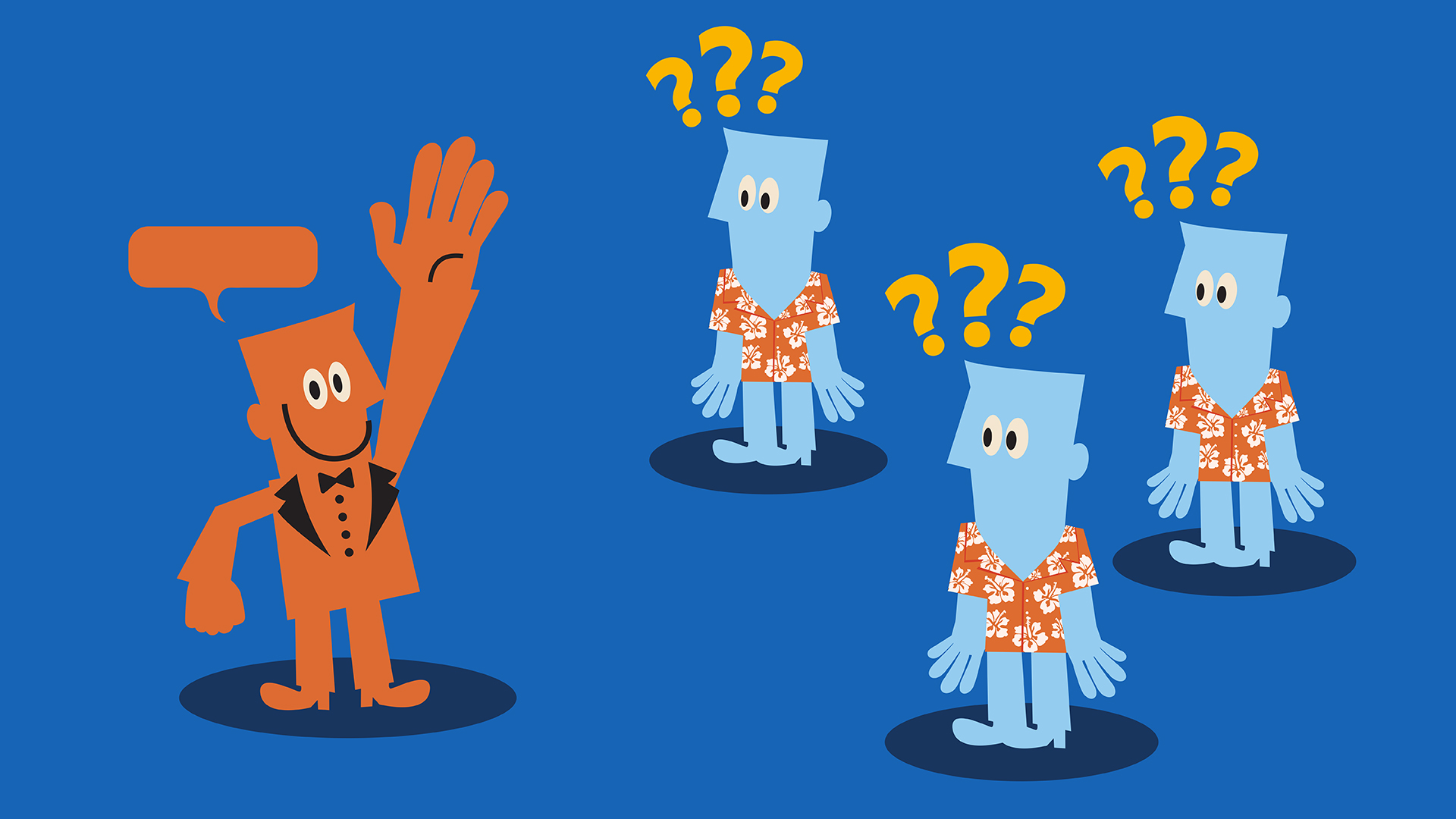
Like wearing a tuxedo to a barbecue, your website might be having an identity crisis…
Do you know your target audience? This should be an easy answer. But here’s a harder one: is your website speaking to the right audience?
As a business owner, you have to know the intricacies of how your customer thinks, what they value and how your business fills that gap. So how can you make sure your website is saying the right things to drive conversions? Let me take you through some of the key differences between a B2B and a B2C site.
Trust – When and How to Build It
Businesses make decisions based on reason and economics. A business must research each investment extensively. Both parties stand to gain if the partnership is successful, but it’s going to be difficult to convince a company to part with its hard-earned revenue. With multiple stakeholders, overhead costs and salaries on the line, it’s no wonder that corporate decision making can take a long time. You need your audience to trust you.
There are many ways to build trust business-to-business. To choose the right ones, you have to understand your customer’s hesitations.
- Is this a new product? If so, testimonials from other recognizable brands may be a huge asset in proving your product’s worth.
- Are you selling in a highly technical field? Displaying your certifications might give your credibility a boost.
Put yourself in your customer’s shoes and you’ll never go wrong.
Consumers make decisions based on emotion and reward. Which means, a B2C website must follow a different set of rules. There’s no team of stakeholders making the average shopper’s decisions. They need to rely on their own intuition and the positive words of others. An honest review (even that of a total stranger) is worth far more than any branded slogan.
When it comes to consumers trusting your company as well as your product, you can help them feel confident with things like a secure payment center, which displays all the proper security certifications. A fair return policy and company ethics page will also boost your credibility.
Key takeaway: B2B websites build trust PRIOR to a purchase by sharing an abundance of information and engaging in frequent communication touch points before the sale. A B2C website builds trust DURING and AFTER a sale by providing a smooth checkout process and excellent customer support post-purchase.
Content and Messaging – What to say and how to say it
So what should your B2B site say? It starts with a special focus on explaining product specifications and company differentiators. A company could potentially invest a lot of resources into you and they want to make sure their investment is worth it. Things like white papers, case studies and an overview of your industry expertise are all incredibly useful tools for businesses to review.
Corporations aren’t making decisions with their hearts, they’re making decisions with their wallet, so your language should match that. Leave behind all of the platitudes and flowery language in favor of clear, practical and professional wording.
Your B2C site should have a different focus. A lightbulb that can do 16 different tasks is great, but how will the customer feel after buying it? How will their life be improved? This is exactly where your fun, engaging messaging should live. Tell people a story and convince them of the benefits they will see when they introduce your product.
Newsletters are a great way to stay top-of-mind with consumers post-sale, but make sure what you’re sharing has tangible benefits.
- Does your product have a new software update?
- Have you launched a new accessory?
Remember: always tie it back to the benefits your consumer will see.
Key takeaway: Evaluate what your ideal customer needs the most. For businesses, this is typically information about you and your product. Strive to tailor your content and messaging to this goal. For consumers, it’s all about benefits. Make sure the connection is clear across all your communication touch points.
Design and User Experience – The secret language of websites
Just as in a face-to-face conversation, there are both verbal and non-verbal cues that add nuance to the messages delivered. Your website is the same. The actual copy on your page is the verbal cue, while the design is your non-verbal cue.
Businesses are looking for someone who is credible and trustworthy. To accomplish this you’ll need to prioritize functionality and information over everything. Yes, your site should look nice and be clear to understand, but just general aesthetics won’t drive a corporation to partner with you. Consider adding resource centers and detailed product pages so users can easily answer their questions and verify that you’re the right seller for their needs.
For consumer facing websites, your design should shine! The key principles to remember are usability and engagement. Your design should be intuitive and easy to navigate. You want to keep people engaged in your site for as long as possible. If your site is confusing, or overwhelms someone with options, they can easily close out and go to another site. The longer they stick around, the more likely they are to buy something!
In today’s get-up-and-go age, mobile sites will always be important, but even more so if your company sells directly to consumers. Most corporate workers use a desktop or laptop to complete their work, so it’s a fair assumption that they will view your website in a desktop format. Consumers are far more likely to be browsing on-the-go, so a mobile-friendly site is an absolute must.
Key takeaway: Align your visual design with your written content to create a cohesive experience that builds trust and drives conversions. Remember, B2C websites have more creative freedom in their design. But for B2B, it’s best to stay simple.
Pssst: Enjoyed this article? Download our handy one-page guide!